Brain & Focus Through Hydration
Educational reading about afternoon focus and everyday drinking habits. General information only — not medical advice.

Educational reading about afternoon focus and everyday drinking habits. General information only — not medical advice.
Many office workers feel a post-lunch slump around two in the afternoon. Coffee or a snack is a common response. Some wellness articles and small research studies explore whether mild under-hydration may contribute to that sluggish feeling for certain individuals — though causes differ from person to person and only a healthcare provider can evaluate your symptoms.
Brain tissue contains a high percentage of water. In controlled studies, small changes in hydration status have sometimes been linked to self-reported alertness during mental tasks. Digestion draws fluid toward the gut after meals. Some people describe a cloudy, unfocused feeling during that window. Trying water before additional caffeine is a simple, low-risk habit — results are personal and not guaranteed.

Short-term memory — the ability to hold and manipulate information for seconds to minutes — depends on efficient signaling between neurons in the prefrontal cortex and hippocampus. Both regions are sensitive to changes in blood osmolality, which shifts when you are under-hydrated.
Some university studies report that participants who were mildly under-hydrated in lab conditions scored differently on recall exercises compared to when they were well hydrated. These are research observations — not predictions about your experience.
In some trials, rehydrating appeared to bring task performance closer to baseline for participants. That does not mean every afternoon lapse is caused by fluids — stress, sleep, and meals matter too.
Keep a simple log for five workdays: rate your focus on a scale of one to five every two hours and note your last drink. Most people discover a predictable dip between one and three p.m. that aligns with their lowest fluid intake period.
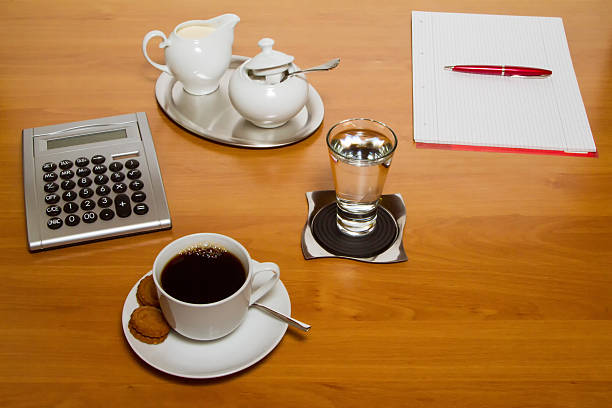
Caffeine temporarily masks tiredness by blocking adenosine receptors. It does not replace fluids. Water supports normal cellular function. When someone feels sluggish, a moderate amount of water plus a brief walk is a reasonable first step before more stimulants — always within limits your physician approves.
Our educational "water first" idea: drink eight to twelve ounces of water, stand and move for two minutes, then notice how you feel. Some session participants report using less caffeine over time, but experiences vary and we make no promises about focus, productivity, or health outcomes.
Some people feel more alert within ten to twenty minutes of drinking water. Timing varies by person, activity, and overall health. This is anecdotal and educational — not a clinical timeline.
Plain filtered water works well for most cognitive purposes. If you sweat heavily or drink mostly distilled water, adding trace minerals can support better cellular uptake. The priority is consistent intake — the exact source is secondary for everyday focus needs.
Public health guidance generally supports drinking adequate fluids as part of overall wellness, alongside sleep, nutrition, and physical activity. This article shares educational context only. For personal health planning, rely on advice from your licensed healthcare provider.