Mineral Balance for Real Hydration
True hydration is not about volume alone — it is about keeping water inside your cells where your body can use it.

True hydration is not about volume alone — it is about keeping water inside your cells where your body can use it.
Hydration in the human body is fundamentally an electrolyte story. Three minerals — sodium, potassium, and magnesium — form the structural foundation that determines whether the water you drink stays in your bloodstream, moves into cells, or passes straight through.
Sodium is found primarily in extracellular fluid. It plays a role in fluid distribution and thirst signaling. Active people who sweat may need more sodium from food than sedentary individuals — discuss safe intake with your provider if you follow a sodium-restricted diet.
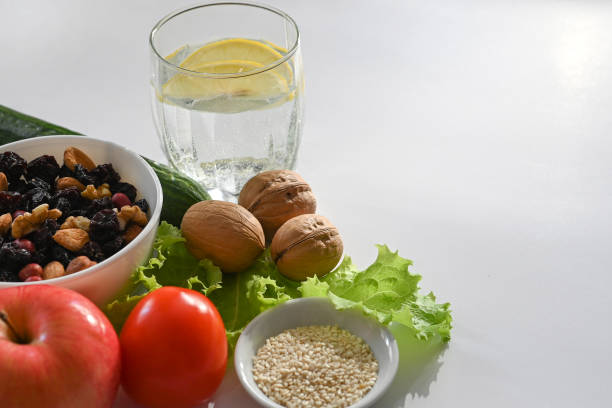
Potassium concentrates inside cells and works in opposition to sodium through the sodium-potassium pump — a mechanism that uses about twenty percent of your resting energy just to maintain ionic gradients. Without adequate potassium from foods like avocados, beans, and leafy greens, cells struggle to hold water effectively.
Magnesium supports over three hundred enzymatic reactions, including ATP production — the energy currency your cells use to run the sodium-potassium pump. Low magnesium often accompanies feelings of fatigue that people mistakenly attribute to dehydration volume alone. Pumpkin seeds, almonds, and dark chocolate are accessible daily sources.
Distilled or heavily filtered water contains few dissolved minerals. Drinking large amounts without balanced meals may not feel satisfying for everyone. Sports science literature describes rare cases of electrolyte imbalance when athletes drink excessive plain water — a reminder to match fluids with food and professional guidance during intense activity.
You do not need to fear tap water. "More water" is not always the right answer for every person. Mineral-rich foods, varied beverages, and choices your healthcare team approves are sensible starting points. We discuss food-first education — not supplement protocols or detox programs.
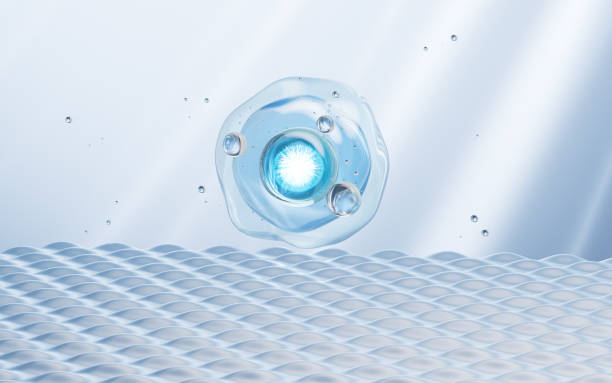
Your body holds water in two main compartments: about one-third is extracellular (blood, lymph, interstitial fluid) and two-thirds is intracellular (inside every cell in your body). The balance between these compartments is not passive — it is actively managed by ion pumps that require energy and the right mineral ratios to function.
When mineral intake from food and fluids feels out of sync, some people report bloating or low energy. These sensations have many possible causes — only a licensed provider can evaluate them. Our sessions discuss food-first mineral awareness, not supplement sales.
Cellular hydration is the goal. Drinking a gallon of demineralized water without supporting electrolytes is like filling a pool with holes in the liner — the volume is there, but it does not stay where you need it.
Join our upcoming workshops and group sessions focused on mineral-aware hydration practices.
Learn to build balanced mineral intake from everyday grocery items. Rochester community center, 6:00 PM.
Guided walk along South Avenue discussing sweat loss, sodium replacement, and outdoor hydration timing.
Live demonstration of potassium- and magnesium-rich meals that support cellular water retention.
Adjusting mineral intake as temperatures drop and indoor heating increases respiratory water loss.
Changing sodium intake — including added salt in water — should be discussed with your physician, especially if you have heart or kidney concerns. Most Americans already receive sodium from food. We share general education, not personalized mineral prescriptions.
For everyday hydration, whole foods usually provide minerals. Commercial electrolyte products are optional and should be chosen with professional guidance when needed. We do not sell supplements.
Fatigue, cramps, or headaches have many causes. Patterns in your diet and fluid choices may be worth discussing in an educational session, but lab testing and diagnosis belong to your healthcare provider — not this website.